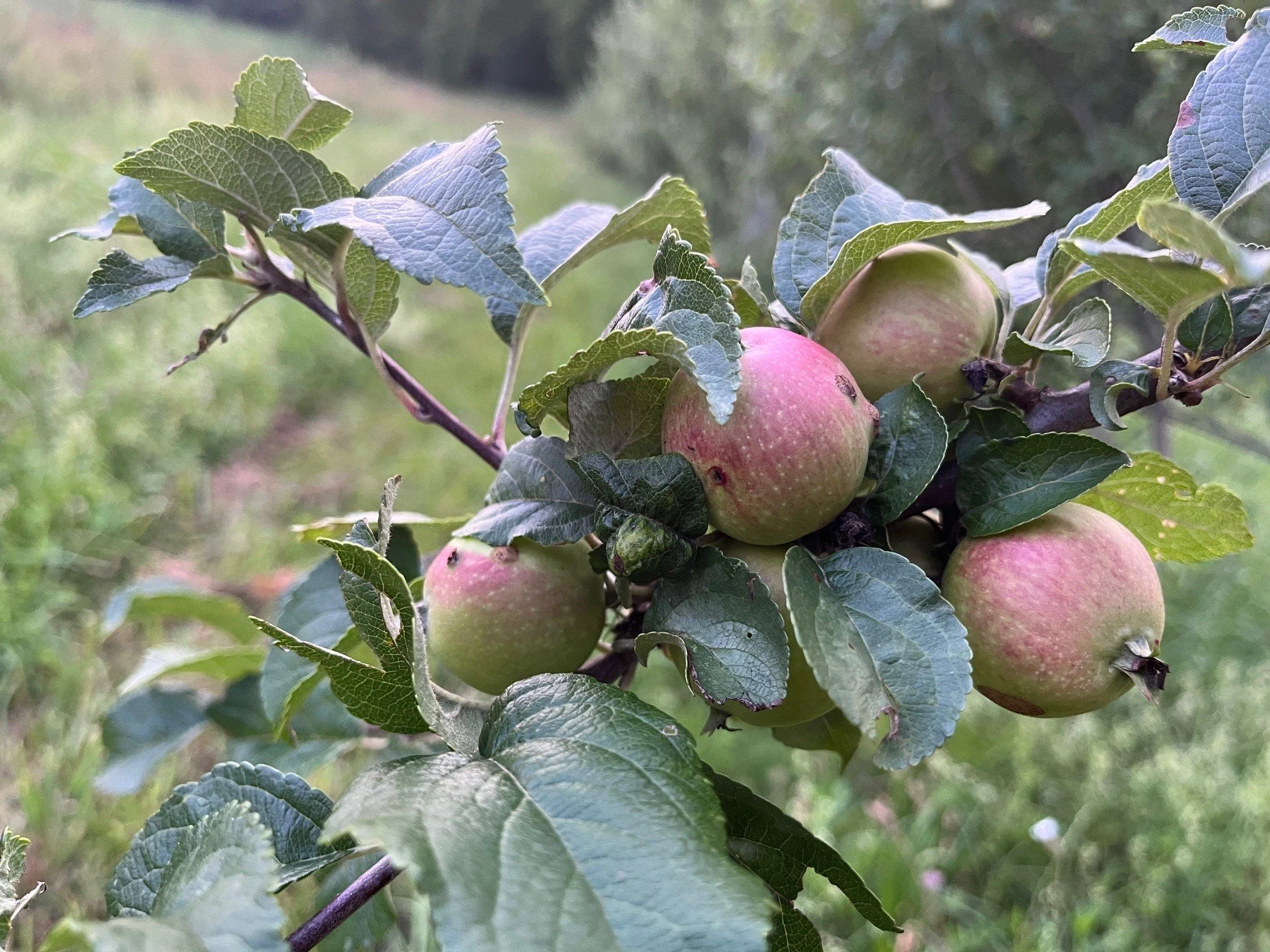
Orchard to glass: Cider and Perry crafted with care.
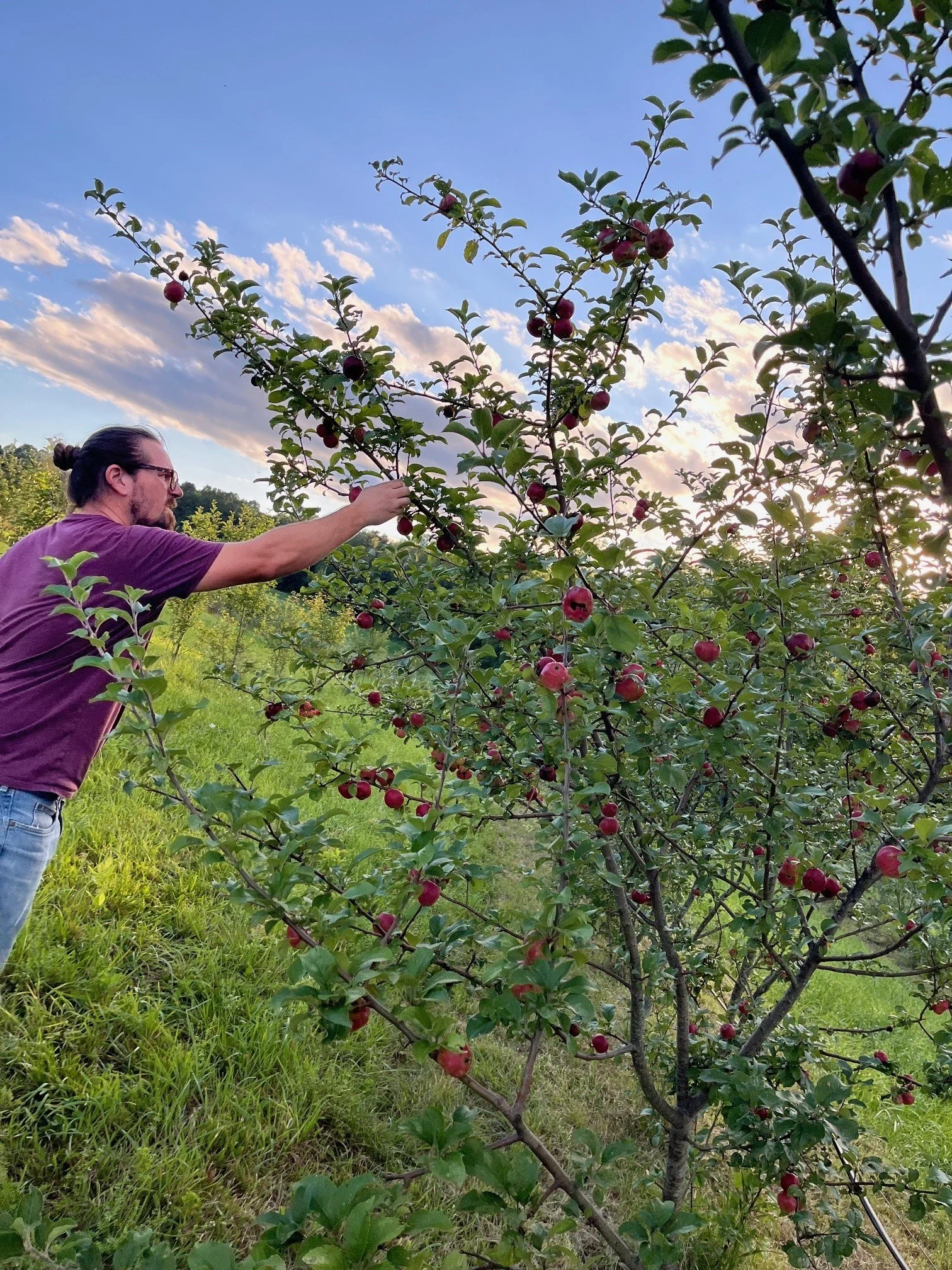
Orcharding Practices
Overview of Matt’s orcharding practices and goals
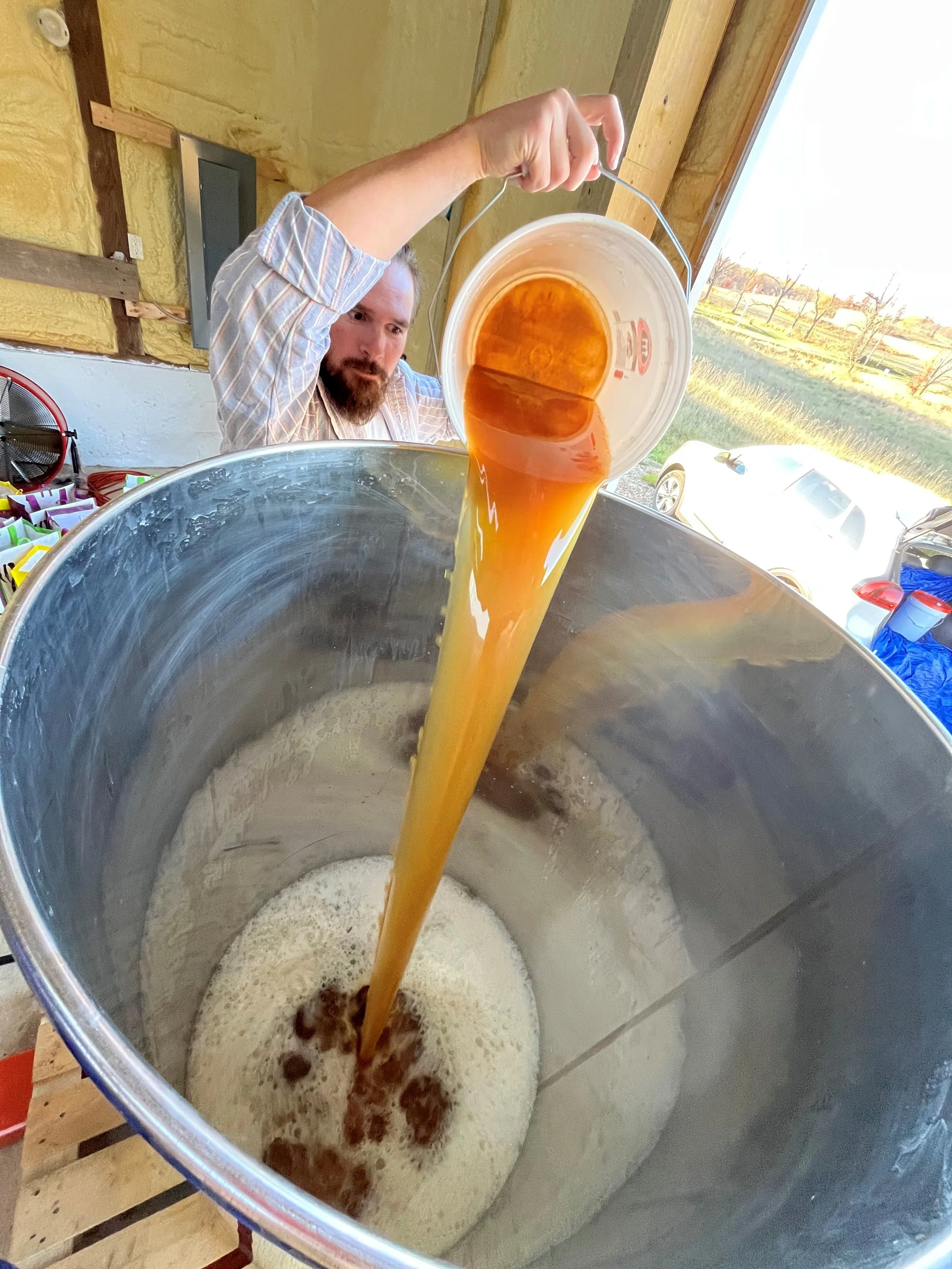
Cidermaking Ethos
Overview of Matt’s cidermaking practices and goals
FAQs
What is cider? And what do you mean by “cider,” “fresh cider,” and “hard cider?”
To put it simply: for the rest of the English-speaking world, “cider” is (or should be) the alcoholic drink produced by fermenting the pressed juice of apples. Because we Americans can’t do things simply (and because of a linguistic hangover from the United States’ experiment with Prohibition), the term “cider” became associated in the US with the fresh, unfermented, and unfiltered apple juice that could be found seasonally from farmstands in the fall. How soon you drank it after leaving the farmstand was your business.
Some folks use the term “hard cider” in their branding and advertising to signal for consumers that their product contains alcohol. While there is a fairly long history of using the term “hard cider” (even back to England in the 17th century), this usage seemed usually to indicate that it was poor quality (think, “harsh” or “rough” cider) rather than alcoholic. That’s one of the reasons we stick to the terms “cider” for the fermented drink, and “fresh cider” for the unfermented, “cider-mill-and-donuts” version—even though it means having to spend a little more time explaining this distinction to customers.
Wait, why did you say “should be” in that definition?
Because, for much of the English speaking world, cider doesn’t legally have to be the fermentation of the pressed juice of apples—not exclusively, anyway. That alcohol can also be achieved by the addition of sugar (from any source) and water (from any source), to varying degrees of dilution. In the UK, the minimum juice content required is 35%; in Canada, there is no federal minimum (individual provinces have their own requirements); in Australia and New Zealand, there is no minimum juice content requirement to use the term “cider.” Even the US, somewhat surprisingly the leader in terms of federal minimum juice content, only requires 51%.
Long, legalistic, boring story short: if you’re in the US, the most apple juice required for something needs to be sold as “cider” is more than half; 49% of it could be from added water and sugar—both of which are cheaper than growing apples. Critically, there’s also no requirement to inform consumers what proportion of the “cider” is from apples, or to list the juice content.
It’s worth saying that there are some understandable justifications for chaptalizing (adding some sugar before fermentation): an increased alcohol content can help with product stability, or can achieve a minimum alcohol threshold required by state and federal licensing. The addition of sugar for bottle conditioning/carbonation is another longstanding practice. For some producers, there can also be an understandable incentive to reduce the alcohol content from fermenting their pure juice (apart from stretching the product); sometimes, having cider above a certain alcohol content can trigger a tax increase that can make it uneconomical.
Here at Pealer Mill Orchard & Cidery, we do occasionally chaptalize fruit varieties whose full fermentation won’t reach the 7.0% alcohol content our license requires (this is most often an issue with perry). But we soundly reject the idea that the best way to express the terroir of a place includes the dilution of a cider—and especially, dilution without being transparent with the consumer. If the fermentation of our juice produces levels of alcohol that pushes a product into a higher tax category, so be it.
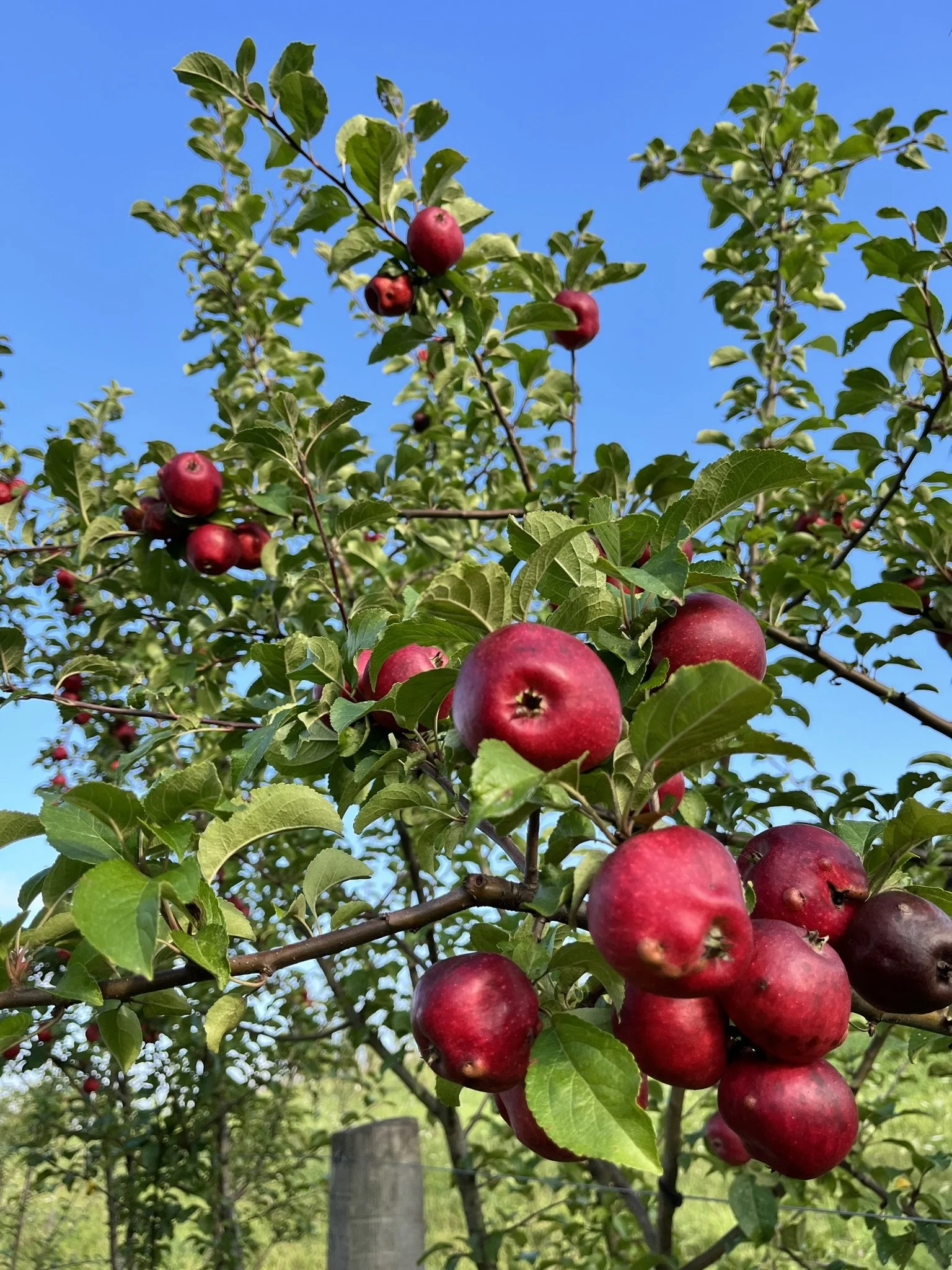
Frequin Rouge
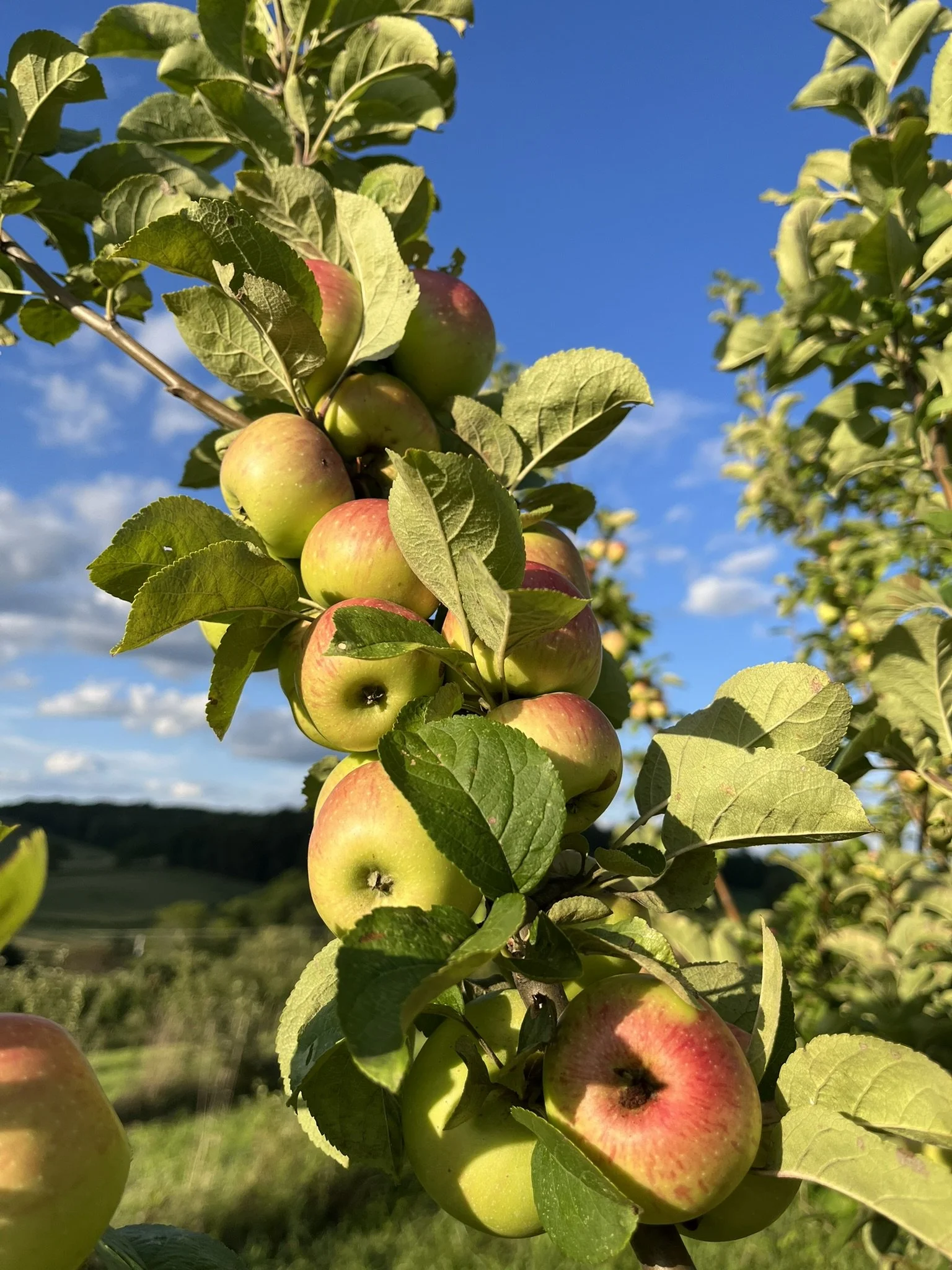
Dabinett (in midsummer)
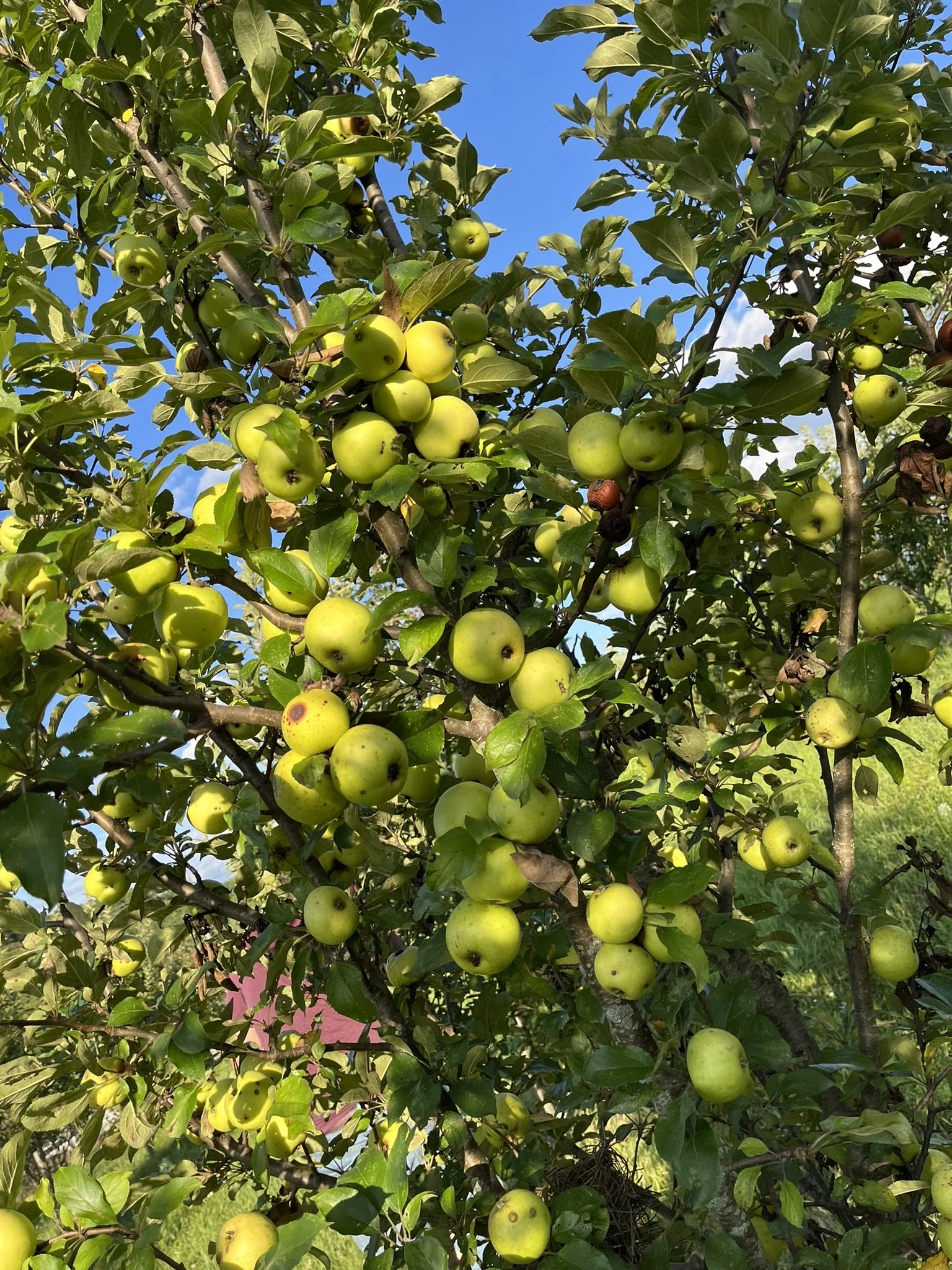
Bramtôt (in midsummer)